May 26, 2026
The Hidden Risks Behind Modern Freight Fraud
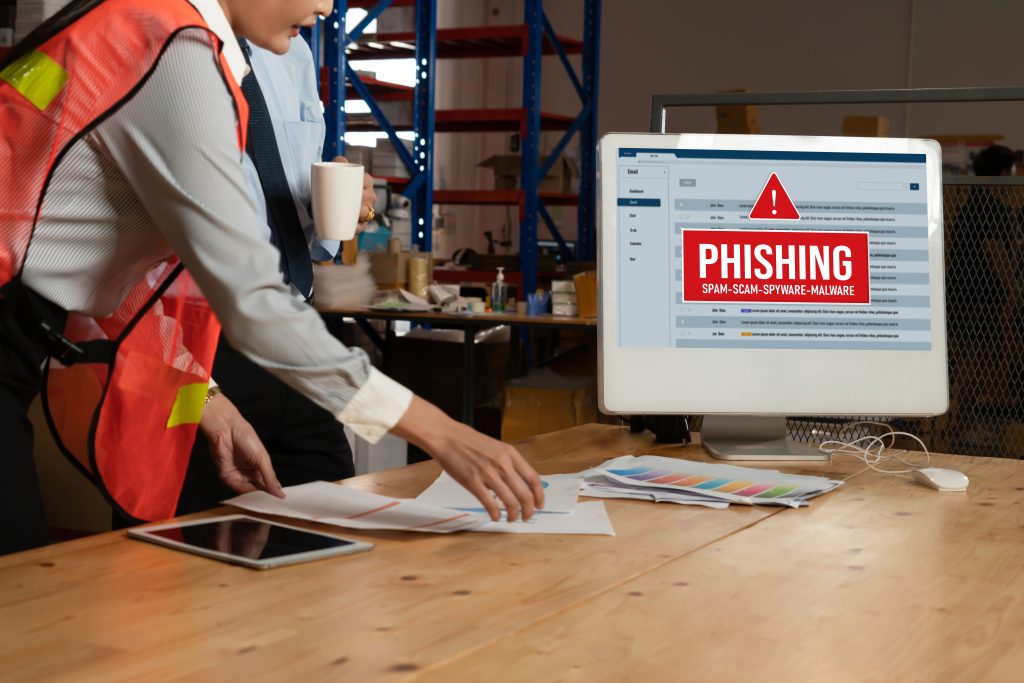
Freight fraud is no longer an occasional disruption, it’s become a growing operational and financial threat across the transportation industry.
Cargo theft incidents continue to rise, but the bigger story is how fraud itself has evolved. What was once largely opportunistic theft has transformed into sophisticated, organized schemes designed to exploit gaps in carrier verification, insurance coverage, and operational processes.
At Reliance Partners, we’re seeing firsthand how these risks are impacting brokers, carriers, and shippers alike.
Fraud Has Evolved Beyond Traditional Cargo Theft
Years ago, freight theft might have looked like a trailer disappearing from a truck stop or a bad actor making off with a load. Today, fraud is far more calculated.
Modern freight fraud often involves identity impersonation, spoofed communications, falsified documentation, and payment diversion tactics that can appear legitimate at first glance.
Common schemes impacting the market include:
- Fraudulent carrier identity impersonation
- Double brokering
- Fictitious pickups
- Spoofed emails and fake dispatch instructions
- Altered certificates of insurance
- Payment diversion scams
The challenge is that many of these fraudulent activities are intentionally designed to pass initial review.
A valid MC number, a polished email signature, or what appears to be legitimate insurance documentation doesn’t always tell the full story.
Why Insurance Coverage Gaps Matter
One of the most overlooked risks in freight fraud is the assumption that insurance will automatically respond after a loss.
Unfortunately, that’s not always the case.
When freight is tendered to a fraudulent party operating under stolen or impersonated credentials, claims can quickly become complicated. Traditional cargo, contingent cargo, or broker liability policies may contain exclusions, sublimits, restrictive warranties, or fraud-related limitations that only come to light after a claim occurs.
Certificates of insurance can also create a false sense of confidence.
A COI only reflects that a policy may have existed at a certain point in time – it does not guarantee active coverage, adequate limits, or protection for a specific loss scenario.
That’s why brokers should evaluate their own insurance strategy with the same rigor they apply to carrier selection.
AI Is Accelerating the Threat
Artificial intelligence has added another layer of complexity.
Fraudsters now have access to tools that make scams faster, more convincing, and harder to detect. Professional-looking emails, cloned voices, fake documentation, and realistic phishing attempts are becoming increasingly common.
As a result, underwriters are shifting how they assess risk.
Strong financials and clean loss history still matter, but today’s underwriting environment also heavily evaluates operational discipline.
Questions underwriters are asking include:
- How is carrier identity verified?
- Are multiple verification layers in place?
- Are contact details independently confirmed?
- Are tracking and monitoring tools actively used?
- Are internal fraud response procedures documented?
Technology alone isn’t enough. The real differentiator is having disciplined processes behind the tools.
Internal Controls Are Your First Line of Defense
While regulatory improvements may eventually help address freight fraud at a broader level, businesses can’t afford to wait.
Practical risk mitigation steps include:
- Establishing written carrier vetting procedures
- Independently verifying contact information
- Training employees to identify fraud red flags
- Requiring tracking protocols for sensitive or high-value freight
- Reviewing contracts for liability exposure
- Structuring insurance programs to address fraud-related gaps
Freight fraud is no longer simply an administrative nuisance.
It’s an operational risk, a financial risk, a reputational risk, and a coverage risk.
Organizations that proactively address these exposures will be in a stronger position to protect both their customers and their bottom line.
This topic was recently featured in FreightWaves with insights from Jamie Cannon, Senior Vice President of Logistics Services at Reliance Partners.
To read the full article, Freight Fraud Has Gone Corporate, visit the FreightWaves story here.
